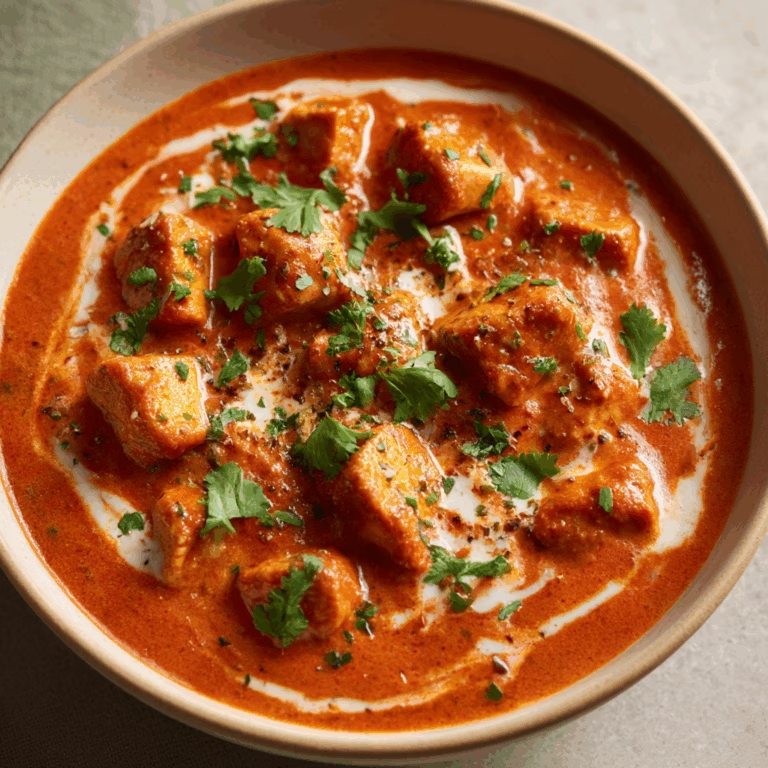
Easy Balsamic Glazed Roasted Vegetables Recipe

If you are looking for a vibrant, flavorful side dish that will elevate any meal, Balsamic Glazed Roasted Vegetables is your new go-to recipe. This dish beautifully marries roasted vegetables with a tangy and sweet balsamic glaze, creating a perfect balance of caramelized edges and tender bites that can brighten up dinner plates or impress at gatherings. Easy to prepare with simple ingredients, it’s a wonderful way to enjoy nutritious veggies with a delightful twist.
Why You’ll Love This Recipe
- Simple and Quick: Requires minimal prep time to get a delicious, restaurant-quality result.
- Flavor-Packed: The sweet and tangy glaze enhances the natural earthiness of the vegetables.
- Versatile: Works perfectly as a side dish, salad topping, or even a light main course.
- Healthy Ingredients: Loaded with nutrients that support a balanced diet without sacrificing flavor.
- Customizable: Easily adapted to suit various vegetables or dietary preferences.
Ingredients You’ll Need
The beauty of Balsamic Glazed Roasted Vegetables lies in its simplicity. Each ingredient plays an essential role, whether adding sweetness, acidity, texture, or color, creating a harmonious dish that’s both visually appealing and delicious.
- Fresh Assorted Vegetables: Choose sturdy options like carrots, bell peppers, zucchini, and red onions for a great mix of textures and colors.
- Extra Virgin Olive Oil (natural): Provides richness and helps vegetables roast evenly and develop a golden crust.
- Balsamic Vinegar (natural): The star of the glaze, lending that irresistible tangy sweetness.
- Maple Syrup (natural): Adds a gentle sweetness to balance the acidity.
- Vegetarian Worcestershire Sauce (natural): Deepens the flavor complexity in the glaze.
- Fresh Garlic: Infuses the dish with aromatic warmth and depth.
- Salt and Freshly Ground Black Pepper: Essential for seasoning and enhancing flavors.
- Natural Gelling Agent: Optional but helpful in thickening the glaze for just the right consistency.
- Fresh Herbs (like thyme or rosemary): Add fragrant notes that complement the roasted vegetables.
Variations for Balsamic Glazed Roasted Vegetables
Making this recipe your own is easy with countless variations that let you tailor it to your taste, pantry, or dietary needs. Whether you want to add spice, swap veggies, or explore new herb profiles, this recipe welcomes creativity.
- Root Vegetable Twist: Incorporate sweet potatoes and parsnips for a heartier, earthy version.
- Spicy Kick: Add a pinch of crushed red pepper flakes in the glaze for a subtle heat.
- Herb Swap: Try fresh basil or oregano instead of thyme for a different herbal aroma.
- Asian-Inspired: Replace vegetarian Worcestershire sauce with tamari and add a splash of sesame oil.
- Seasonal Substitute: Use whatever is fresh and in season, like asparagus in spring or Brussels sprouts in winter.

How to Make Balsamic Glazed Roasted Vegetables
Step 1: Prep Your Vegetables
Start by washing and drying your veggies thoroughly. Cut them into uniform pieces to ensure even cooking – crisp-tender vegetables with beautifully browned edges are the goal.
Step 2: Make the Balsamic Glaze
In a small saucepan, combine balsamic vinegar (natural), maple syrup (natural), vegetarian Worcestershire sauce (natural), minced garlic, and a pinch of salt and pepper. Add a touch of natural gelling agent if desired. Heat gently, stirring often until it reduces slightly and thickens into a sticky glaze.
Step 3: Toss Vegetables with Olive Oil
Place your prepared vegetables in a large bowl. Drizzle with extra virgin olive oil (natural) and season with salt, pepper, and your chosen herbs. Toss until everything is evenly coated.
Step 4: Roast Until Tender
Spread the vegetables out on a baking sheet in a single layer. Roast in a preheated oven at 425°F (220°C) for about 20-25 minutes, turning halfway through, until they are tender and caramelized.
Step 5: Glaze and Serve
Remove the vegetables from the oven, then gently toss with the warm balsamic glaze until all pieces are glossy and flavorful. Serve immediately to enjoy the contrast of textures and flavors at their best.
Pro Tips for Making Balsamic Glazed Roasted Vegetables
- Choose Fresh, Firm Veggies: Firmer vegetables roast better and hold up well under the glaze.
- Don’t Overcrowd the Pan: Allowing space lets vegetables crisp instead of steam.
- Uniform Cutting: Makes roasting even, so every bite is perfectly cooked.
- Use a Natural Gelling Agent Carefully: Add just enough to thicken the glaze without overpowering the sauce.
- Toss Gently: Coating vegetables too aggressively can break them apart once roasted.
- Finish With Fresh Herbs: Adds fresh flavor and a pop of color just before serving.
How to Serve Balsamic Glazed Roasted Vegetables
Garnishes
Sprinkle toasted pine nuts or pumpkin seeds for a delightful crunch and a nutty complement to the tangy glaze. Freshly chopped parsley or basil also brightens the dish and adds an herbal finish.
Side Dishes
This colorful vegetable medley pairs wonderfully with a grain bowl featuring quinoa or couscous, steamed rice, or a simple green salad. It also complements protein dishes like marinated grilled chicken or baked tofu (plant-based).
Creative Ways to Present
For entertaining, serve Balsamic Glazed Roasted Vegetables on a large platter garnished with edible flowers or microgreens. Alternatively, layer them in a vegan lasagna or fold into a wrap with hummus for a flavorful lunch option.
Make Ahead and Storage
Storing Leftovers
Keep leftover glazed vegetables in an airtight container in the refrigerator for up to 3 days. They hold their flavor well and make for a quick reheatable side or addition to salads.
Freezing
While roasting fresh is preferable for texture, you can freeze the roasted vegetables before glazing. Spread them on a baking sheet to freeze individually, then transfer to a freezer-safe bag for up to 2 months.
Reheating
Rewarm leftovers gently in a skillet or oven to retain their texture without drying out. Reapply a light drizzle of reserved glaze if needed to refresh the flavor and shine.
FAQs
Can I use any vegetables for Balsamic Glazed Roasted Vegetables?
Absolutely! This recipe is very forgiving. Use whatever vegetables you enjoy or have on hand, just be mindful of differing cooking times and cut the vegetables accordingly.
Is it possible to make this recipe oil-free?
Yes, you can roast vegetables without oil by using a nonstick baking sheet and adding a splash of water or vegetable broth during roasting to keep them moist, though the texture and flavor slightly differ.
How thick should the balsamic glaze be?
The glaze should be thick enough to coat the back of a spoon and cling to vegetables without dripping off immediately, ensuring every bite has balanced flavor.
Can I prepare the glaze in advance?
Definitely, the glaze can be made ahead and stored in the refrigerator for up to a week; just warm it gently before tossing with the roasted vegetables.
What can I substitute for vegetarian Worcestershire sauce?
For a similar flavor depth, you can use tamari or a mix of soy sauce (natural) and a little apple cider vinegar, preserving the savory complexity.
Final Thoughts
Balsamic Glazed Roasted Vegetables offer a beautiful, flavorful way to enjoy seasonal produce with a simple, tangy-sweet glaze that enhances every bite. Whether you want a quick weeknight side or an impressive addition to your next dinner, this recipe is both approachable and delicious. Give it a try and watch how it quickly becomes a favorite for sharing great food and warm moments.
Related Posts
- Easy Cowboy Mushrooms Recipe to Try Tonight
- Easy Vegetarian Lentil Casserole Recipes to Try
- Easy Tofu Fried Rice You’ll Love Today

Balsamic Glazed Roasted Vegetables
- Total Time: 40 minutes
- Yield: 4 servings
- Diet: Gluten Free
Description
Balsamic Glazed Roasted Vegetables is a vibrant, flavorful side dish combining roasted assorted vegetables with a tangy-sweet balsamic glaze. This easy-to-make dish features a perfect balance of caramelized edges and tender bites, enhanced with fresh herbs and a sticky glaze that brightens any meal or gathering.
Ingredients
Vegetables
- Fresh assorted vegetables (e.g., carrots, bell peppers, zucchini, red onions) – about 4 cups chopped
Glaze
- Balsamic vinegar (natural) – 1/4 cup
- Maple syrup (natural) – 2 tablespoons
- Vegetarian Worcestershire sauce (natural) – 1 tablespoon
- Fresh garlic, minced – 2 cloves
- Salt – 1/2 teaspoon plus extra to taste
- Freshly ground black pepper – 1/4 teaspoon plus extra to taste
- Natural gelling agent (optional) – 1/4 teaspoon
For Roasting
- Extra virgin olive oil (natural) – 2 tablespoons
- Fresh herbs (such as thyme or rosemary) – 1 tablespoon chopped
Instructions
- Prep Your Vegetables: Wash and dry the vegetables thoroughly. Cut into uniform pieces to ensure even cooking, aiming for crisp-tender texture with nicely browned edges.
- Make the Balsamic Glaze: In a small saucepan, combine balsamic vinegar (natural), maple syrup (natural), vegetarian Worcestershire sauce (natural), minced garlic, salt, and pepper. Add a pinch of natural gelling agent if desired. Heat gently while stirring frequently until the mixture reduces slightly and thickens into a sticky glaze.
- Toss Vegetables with Olive Oil: Place the prepared vegetables in a large bowl. Drizzle with extra virgin olive oil (natural), season with salt, freshly ground black pepper, and chopped fresh herbs. Toss gently until evenly coated.
- Roast Until Tender: Spread the vegetables in a single layer on a baking sheet. Roast in a preheated oven at 425°F (220°C) for 20-25 minutes, turning halfway through until tender and caramelized.
- Glaze and Serve: Remove the vegetables from the oven and toss them gently with the warm balsamic glaze until all pieces are glossy and flavorful. Serve immediately to enjoy the texture and flavor contrast at their best.
Notes
- Choose fresh, firm vegetables as they roast better and hold up well under the glaze.
- Do not overcrowd the baking sheet to allow vegetables to crisp instead of steam.
- Cut vegetables uniformly for even roasting and consistent texture.
- Add natural gelling agent carefully to avoid overpowering the glaze’s flavor and consistency.
- Toss vegetables gently after roasting to preserve their structure.
- Finish with fresh herbs to add bright flavor and color just before serving.
- Prep Time: 15 minutes
- Cook Time: 25 minutes
- Category: Appetizers
- Method: Baking
Nutrition
- Serving Size: 1 cup
- Calories: 120
- Sugar: 6g
- Sodium: 220mg
- Fat: 7g
- Saturated Fat: 1g
- Unsaturated Fat: 6g
- Trans Fat: 0g
- Carbohydrates: 14g
- Fiber: 3g
- Protein: 2g
- Cholesterol: 0mg
Keywords: balsamic glaze, roasted vegetables, side dish, vegetarian, gluten free, healthy, easy recipe